Food & Wine On Board
When it comes to French cuisine, few dishes evoke as much intrigue—and perhaps a bit of hesitation—as escargot. This delicacy, often associated with fine dining and gourmet experiences, is more than just a unique dish; it's a culinary tradition steeped in history and flavor. In this comprehensive guide, we'll explore the origins, preparation methods, health benefits, and how to enjoy French escargot, making it a must-try for adventurous foodies.

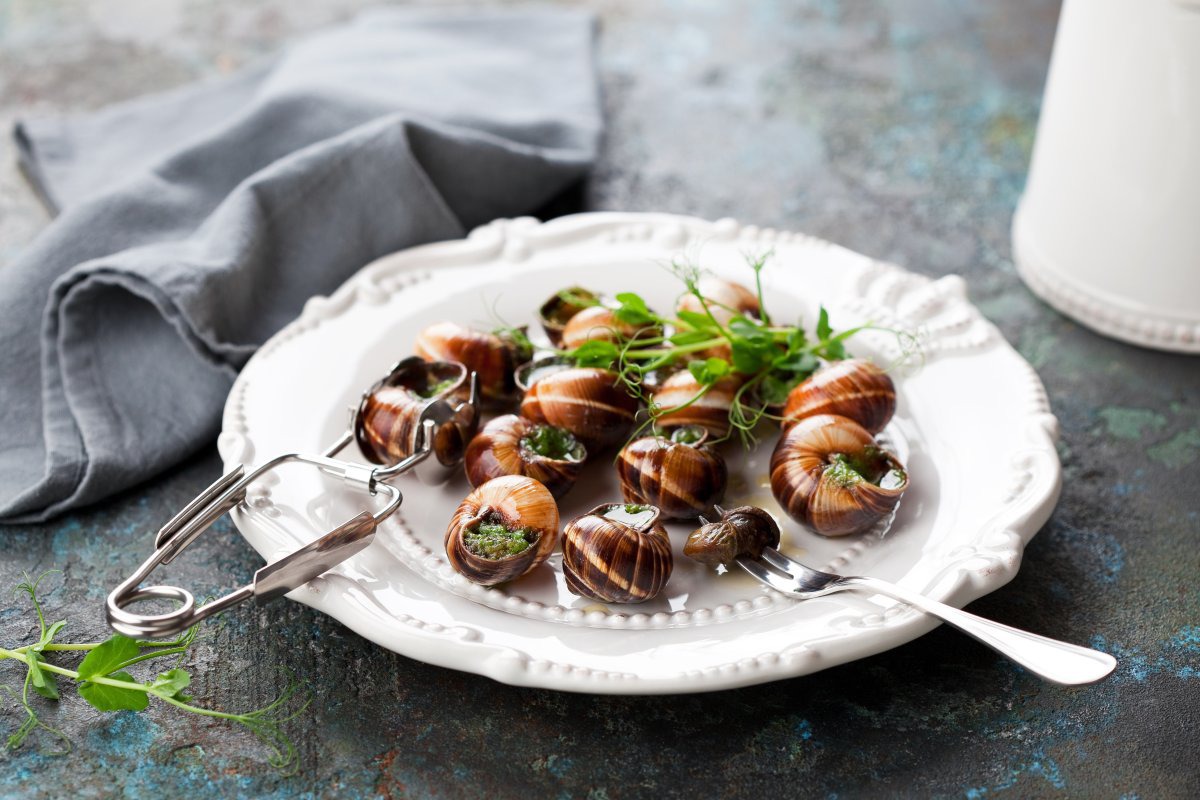
Escargot refers to edible land snails, most commonly from the species Helix pomatia. In France, escargot is typically prepared with garlic, parsley, and butter, creating a rich and savory dish that has captivated taste buds for centuries. While the thought of eating snails might seem daunting to some, those who venture to try it often find a delightful, buttery flavor and a unique texture.
The History of Escargot in France
The tradition of eating snails dates back to ancient Rome, where they were considered a delicacy. However, escargot became particularly popular in France during the Middle Ages. By the 19th century, the dish was firmly established in French culinary culture. Today, escargot is often served as an appetizer in French restaurants, showcasing the country's love for gourmet cuisine.
Health Benefits of Escargot
Escargot isn't just a gourmet treat; it also boasts several health benefits:
Tell us your preferred travel dates, group size, and whether Burgundy or Provence feels like the right fit. We’ll help you choose the best option and guide you through availability and next steps.
