Burgundy, Food & Wine On Board
Imagine gliding along the tranquil canals of Burgundy, France, on a luxurious barge, surrounded by lush vineyards and picturesque landscapes. As the gentle current carries you through charming villages, you have the unique opportunity to savor some of the finest wines the region has to offer. A luxury barge vacation not only immerses you in the stunning scenery of Burgundy but also invites you to indulge in a sophisticated tasting experience that celebrates the rich heritage of this iconic wine region.

The Allure of Burgundy
Burgundy, renowned for its exceptional Pinot Noir and Chardonnay, boasts a history of winemaking that dates back centuries. The region’s unique terroir, characterized by its limestone-rich soil and a temperate climate, contributes to the complexity and depth of its wines. Aboard a luxury barge, you can explore this world-class wine region in comfort and style, making it the perfect setting for an unforgettable tasting experience.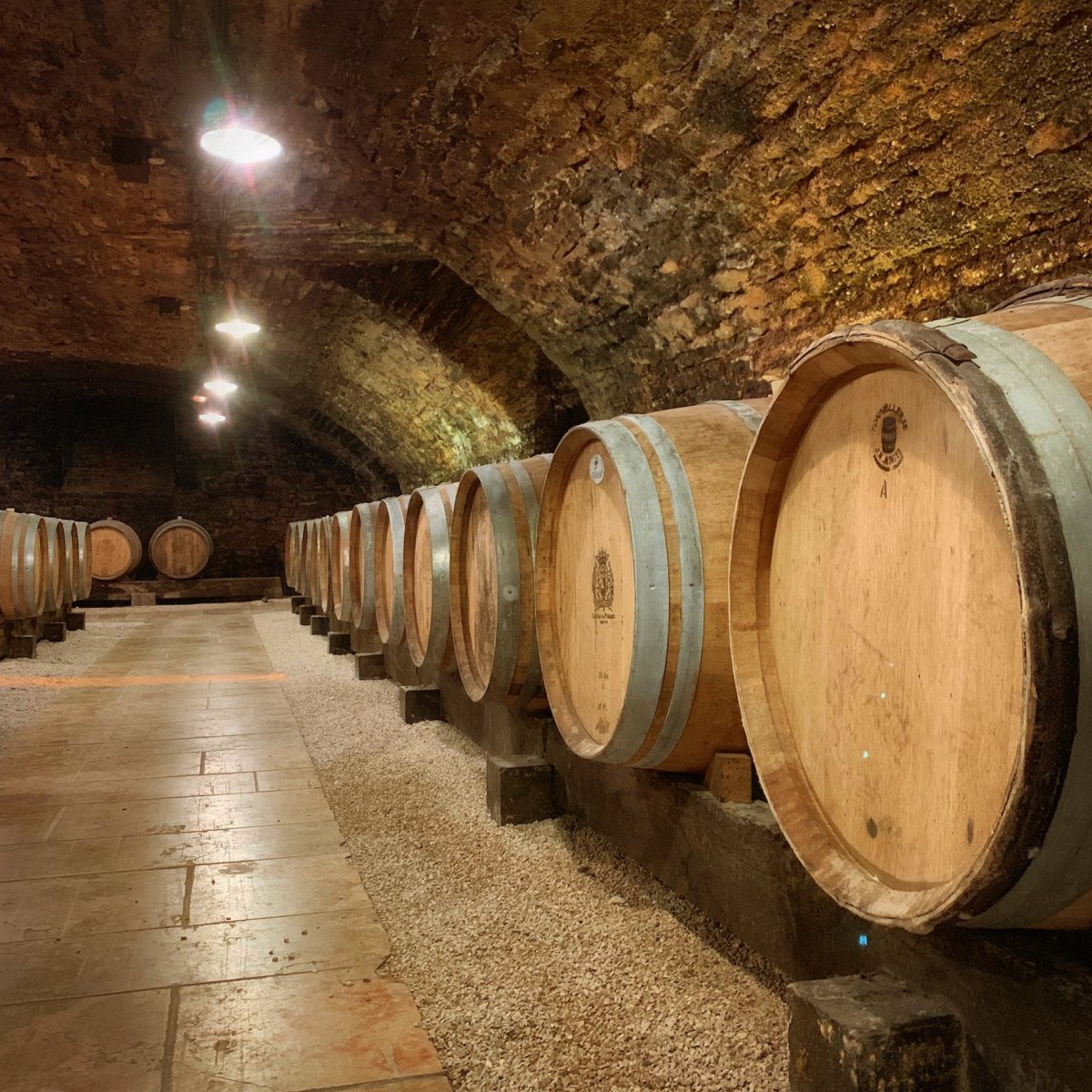
A Curated Tasting Experience
Your barge vacation includes carefully curated wine tastings that highlight the distinct characteristics of Burgundy wines. Under the guidance of knowledgeable sommeliers and vineyard owners, you will learn about the art of winemaking, the significance of the terroir, and the history behind each bottle.
The Art of Tasting Burgundy Wines
A Journey through Elegance and Terroir Burgundy wines are celebrated worldwide for their elegance, complexity, and ability to express the unique terroir of the region. Whether you're a seasoned connoisseur or a novice wine enthusiast, tasting Burgundy wines is an immersive experience that goes beyond just sipping a glass. It’s about understanding the story of the land, the skill of the winemaker, and the rich history that each bottle carries. In this guide, we’ll walk you through the art of tasting Burgundy wines to help you fully appreciate their depth and nuance.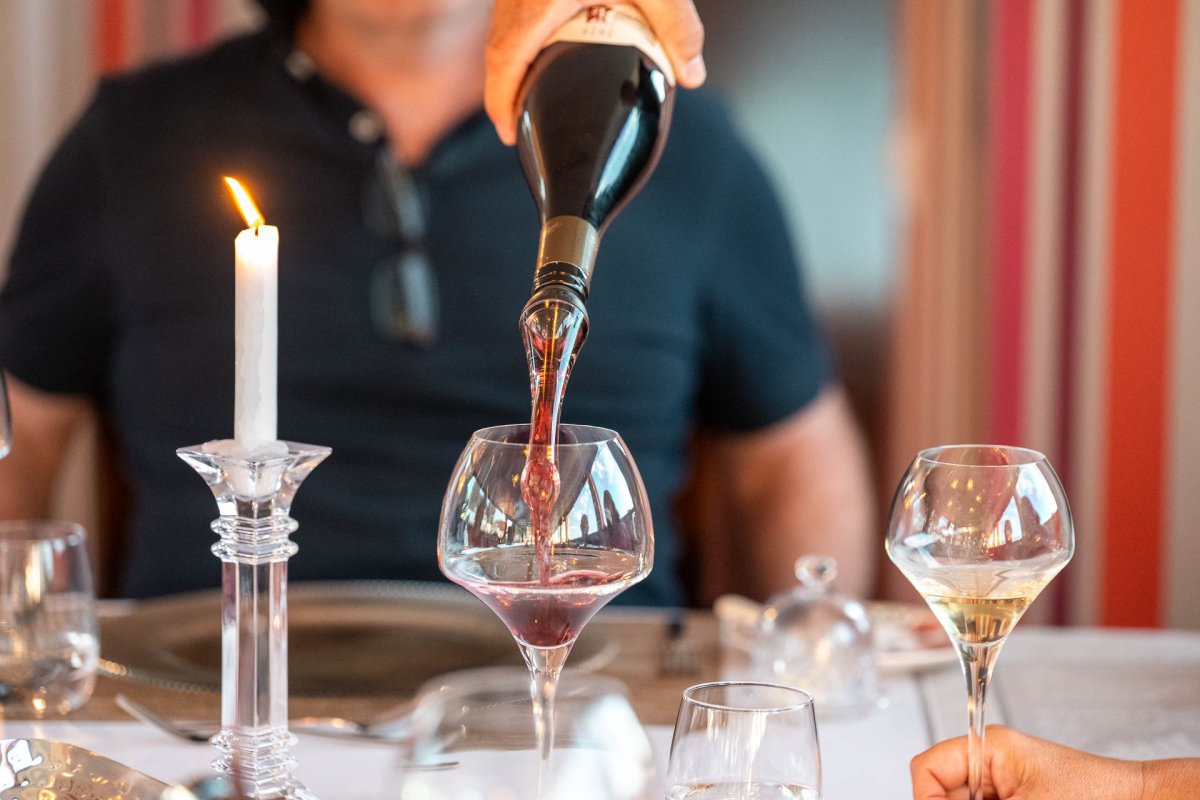
Why Burgundy Wines Are So Special
Burgundy, located in eastern France, is home to some of the world’s most prestigious vineyards. The region’s climate, soil, and topography combine to create wines of remarkable quality. The main varieties grown here are Pinot Noir for red wines and Chardonnay for whites, although other varietals like Gamay and Aligoté also make their mark. Burgundy wines are defined by their balance, complexity, and ability to reflect the specific "terroir"—a French term that encompasses the land’s unique characteristics, including the soil, climate, and vineyard practices.
Whether you’re tasting a Premier Cru or a Grand Cru Burgundy on board the private luxury barge Grand Victoria each bottle offers a window into the region’s rich viticultural heritage. But how do you truly understand and appreciate what makes these wines so exceptional? It starts with the art of tasting.
1. The Importance of Glassware
The right glass can elevate your Burgundy wine experience. Burgundy glasses are typically larger with a bowl that tapers at the top, designed to allow the wine’s aromas to concentrate. This shape is particularly important for Pinot Noir, as it helps release the delicate and complex fragrances of the wine. For Chardonnay, the glass should allow for enough air contact to emphasize its minerality and fruit character.
Make sure your glass is clean and free of any detergent residue, as this can alter the wine’s aroma and taste. Hold the glass by the stem to avoid warming the wine with your hand.
2. Visual Inspection: The First Step to Understanding Burgundy Wines
Before you take a sip, begin by examining the wine’s color and clarity. Burgundy wines, especially Pinot Noir, often display a brilliant ruby or garnet hue. Chardonnay wines from Burgundy can range from pale gold to deeper yellow shades depending on the style and aging.
By tilting the glass against a white surface, you can observe the wine’s depth and clarity. A clear, vibrant Burgundy wine with a rich color is usually an indicator of good quality. If the wine appears cloudy or dull, it could be a sign of age, oxidation, or improper storage.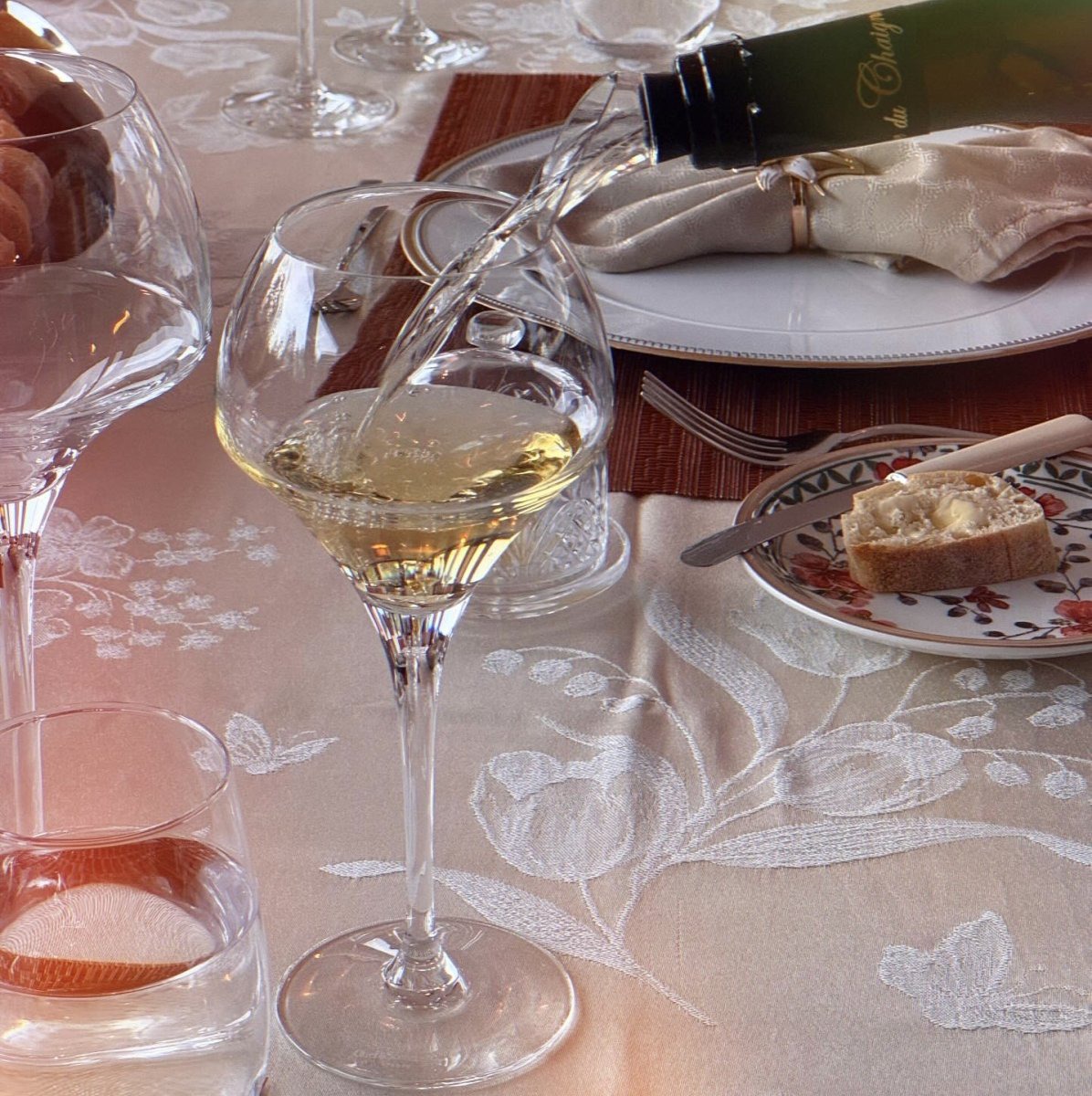
3. Swirl and Smell: Unlocking the Aromatic Complexity
Swirling the wine gently in the glass helps to release its aromas, which are a key aspect of tasting Burgundy wines. Pinot Noir, in particular, is known for its delicate nose, often offering aromas of red fruits like cherries, raspberries, and strawberries, along with earthy, floral, and sometimes even spicy notes. Older Burgundies can also reveal tertiary aromas of mushrooms, truffles, leather, and underbrush.
Chardonnay from Burgundy, on the other hand, is more known for its mineral-driven scents, with notes of green apple, citrus, and occasionally hints of butter or toast if it has undergone oak aging.
Take a few short sniffs to identify the initial aromas, then inhale more deeply to detect the layers of complexity. Take your time—Burgundy wines can evolve in the glass, revealing new scents as they breathe.
4. Tasting Burgundy Wines: The Moment of Truth
When tasting Burgundy wines, start with a small sip and let the wine cover your entire palate. Pay attention to the wine’s balance—the interplay between fruit, acidity, tannins, and alcohol. Burgundy reds (Pinot Noir) are known for their relatively low tannin levels compared to other red wines, making them smoother and more approachable, especially in their youth. The acidity in Burgundy wines, however, is often high, contributing to their freshness and aging potential.
Red Burgundy: When tasting Pinot Noir from Burgundy, take note of the wine’s silky texture and bright red fruit flavors. Young Burgundies will often present a juicy, fresh fruit profile, while more aged ones will develop deeper, more complex flavors, such as earthy notes, dried fruit, and savory characteristics. The finish should be clean and smooth, with lingering fruit or mineral flavors.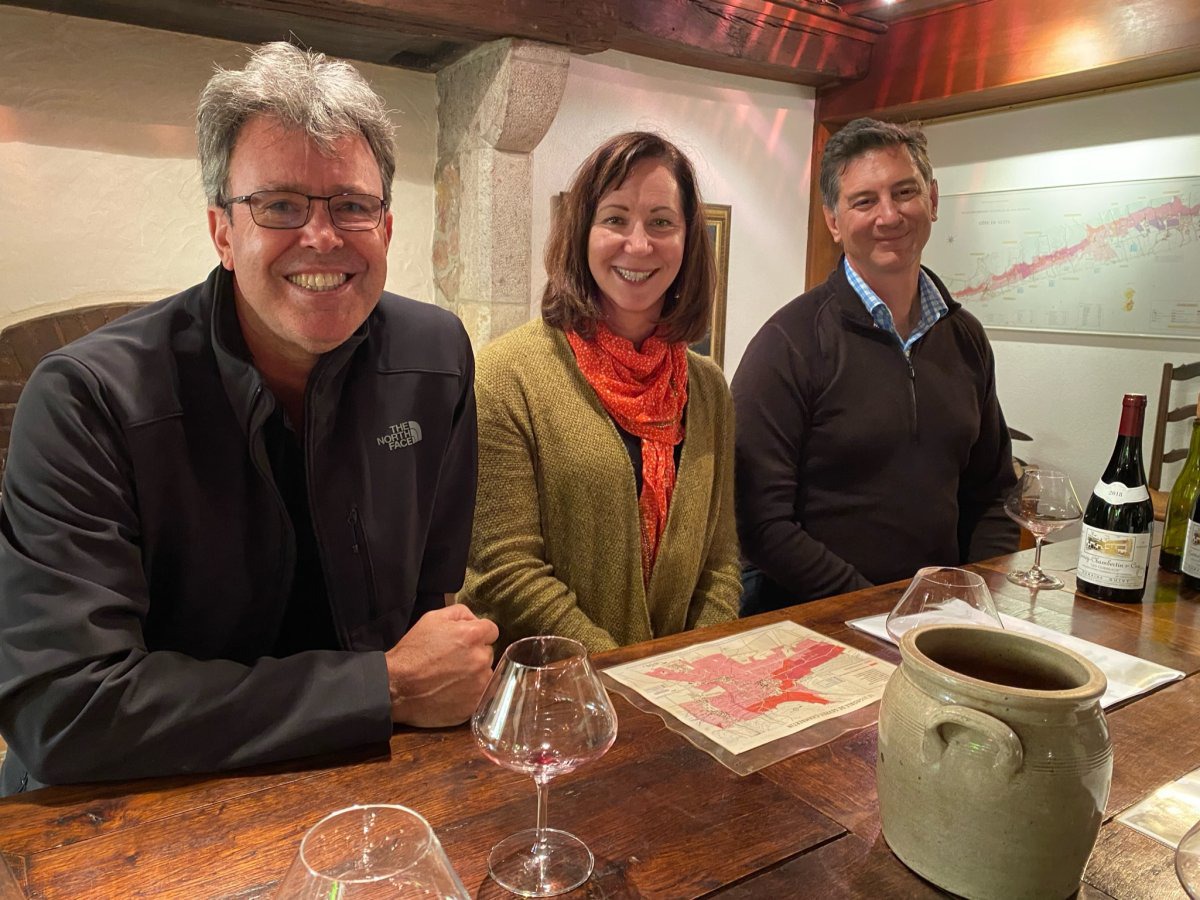
White Burgundy: Chardonnay from Burgundy offers a wide range of styles, from crisp and mineral-driven Chablis to the rich, oaky and buttery flavors of Meursault and Puligny-Montrachet. These wines should feel balanced, with a harmonious blend of acidity and richness. Look for flavors of green apple, lemon, butter, toasted nuts, and even honey in aged versions.
5. Consider the Terroir: Location, Location, Location
Understanding the terroir of Burgundy can significantly enhance your tasting experience. The region is divided into several key subregions, each with its own unique characteristics.
• Côte de Nuits: Known for producing some of the best red wines in the world, including Grand Cru wines like Romanée-Conti, these wines tend to be deep, structured, and complex.
• Côte de Beaune: Famous for both red and white wines, with whites like Montrachet offering extraordinary richness and complexity.
• Chablis: The most northerly region of Burgundy, where Chardonnay is grown on limestone soils, producing wines with a distinct minerality and crispness.
The unique climate and soil of each subregion contribute to the wine's aroma, flavor, and aging potential, so try to identify regional characteristics when tasting.
6. The Role of Food Pairings
Food pairing is an essential part of enjoying Burgundy wines. The region’s wines are versatile and can complement a wide variety of dishes. Here are some general pairing tips:
• Red Burgundy (Pinot Noir): Pairs wonderfully with roasted meats, game birds, lamb, and dishes with earthy flavors like mushrooms. A classic pairing would be a Pinot Noir with a duck confit or coq au vin.
• White Burgundy (Chardonnay): The acidity and richness of white Burgundy make it an excellent match for seafood, grilled chicken, and creamy pasta dishes. A bottle of Meursault pairs beautifully with lobster or a rich, butter-based sauce.
7. Age and Evolution: Understanding the Aging Potential of Burgundy Wines
One of the most fascinating aspects of Burgundy wines is their aging potential. While some wines are meant to be consumed young, others benefit from cellaring. Red Burgundies, in particular, can age for decades, developing more complexity and deeper flavors over time. White Burgundies also have excellent aging potential, especially wines from appellations like Chablis, Meursault, and Puligny-Montrachet.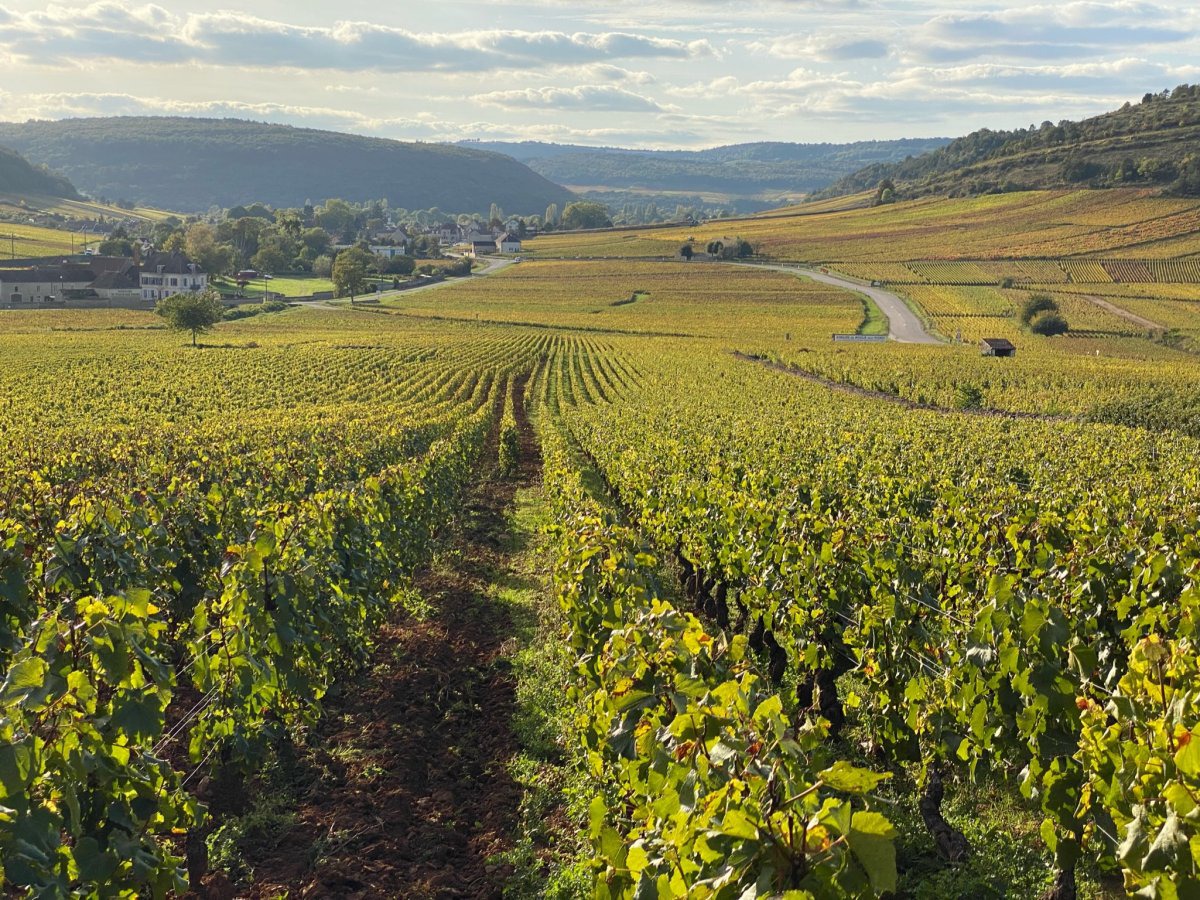
As you taste an older Burgundy wine, take note of how the fruit flavors have softened and evolved into more savory or earthy profiles. The tannins will be less pronounced, and the acidity may still provide structure, keeping the wine lively.
Conclusion: Savoring the Experience of Burgundy Wines
Tasting Burgundy wines is about more than just drinking. It’s a sensory journey through history, geography, and craftsmanship. With each glass, you not only explore the distinctiveness of the grape varieties and terroirs but also connect to the centuries-old winemaking traditions of the Burgundy region.
By honing your skills in visual inspection, aroma identification, and tasting technique, you’ll gain a deeper appreciation for the artistry behind Burgundy wines. Whether you are tasting a youthful Pinot Noir from the Côte de Beaune or savoring a complex Chardonnay from Montrachet, the experience will be one of elegance, depth, and sensory enjoyment.
So next time you open a bottle of Burgundy, take a moment to slow down and fully immerse yourself in the art of tasting. Your palate—and your appreciation of fine wine—will thank you.
Tell us your preferred travel dates, group size, and whether Burgundy or Provence feels like the right fit. We’ll help you choose the best option and guide you through availability and next steps.
